
Did you know that over 70% of people now consume natural teas for their health benefits? In a world full of health trends, moringa tea and green tea are two great choices. Both are renowned for their nutrients and therapeutic potential, but which one is better for you? Let’s look at a detailed comparison so you can decide.
What is Moringa Tea?
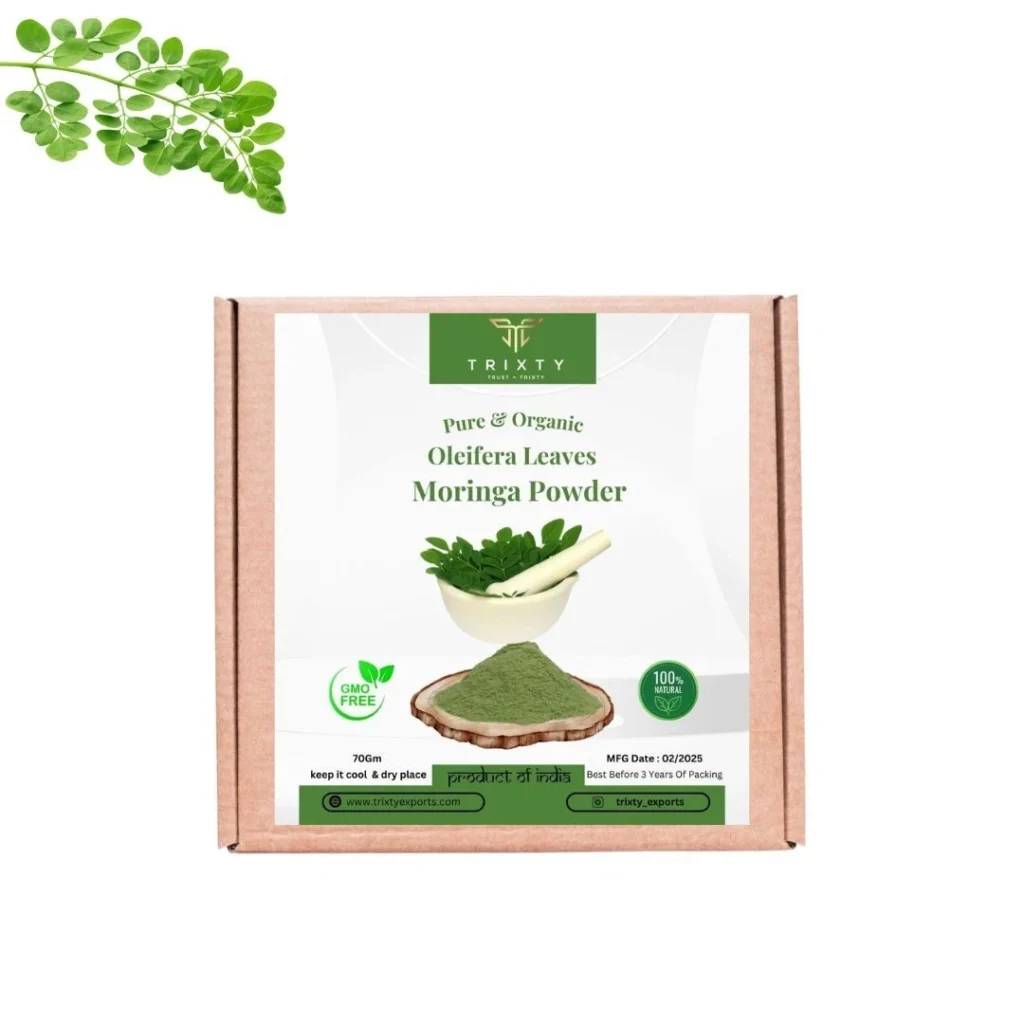
Moringa tea is a beverage made from the dried leaves of the Moringa oleifera tree, often called the “drumstick tree” or “miracle tree.” Found in India and parts of Africa, it has been a staple in Ayurvedic medicine for centuries. To make moringa tea, the leaves are dried and steeped in hot water, releasing an earthy, slightly bitter flavor that some people pair with honey. This tea is gaining popularity due to its abundant nutrients, making it a favorite among natural energy seekers.
What is Green Tea?
Green tea, on the other hand, comes from the unoxidized leaves of the Camellia sinensis plant, which has its roots in China and Japan. Widely consumed around the world, it has a mild, grassy flavor that varies according to the varieties such as Sencha or Matcha. Green tea brewed with hot water is a great choice for its well-known health benefits and mild caffeine, appealing to those in need of a morning energy boost.
Nutritional Comparison
When it comes to nutrition, both teas have unique properties.
Moringa Tea: Rich in vitamins A, C, iron, and calcium, Moringa tea is a storehouse of nutrients. It contains antioxidants such as quercetin and chlorogenic acid, which fight oxidative stress. The best part is that it has almost no calories, making it a worry-free addition to your diet.
Green Tea: Rich in vitamin C and B vitamins, green tea shines thanks to its high levels of catechins, especially epigallocatechin gallate (EGCG), a powerful antioxidant. It also contains 20-45 mg of caffeine per cup, which provides a mild energy boost. Like moringa tea, it is low in calories.
Moringa tea has a slightly lower mineral content, while green tea is higher in antioxidants, especially EGCG.
Health Benefits
The health benefits of these teas address a variety of needs.
Benefits of Moringa Tea: Known for its anti-inflammatory properties, moringa tea improves joint health and may reduce chronic inflammation. It provides sustained energy without caffeine, ideal for people sensitive to stimulants. Some studies suggest it helps regulate blood sugar, offering potential benefits in diabetes management.
Benefits of Green Tea: Because of the metabolism-boosting effects of EGCG, green tea is a favorite choice for weight loss. It promotes heart health by lowering cholesterol and blood pressure, and its caffeine-L-theanine combination boosts mental alertness without causing jitters.
For inflammation or nutrient deficiencies, moringa tea may be a good choice for you. If weight loss or focus is your goal, green tea may be a great choice for you.
Taste and Availability
Taste plays a big role in tea choice.
Taste: Moringa tea has an earthy, slightly bitter taste that some people find astringent, which is often balanced with honey or lemon. Green tea has a mild, grassy flavor that varies depending on the blend.
Availability: Green tea is widely available in supermarkets and online, making it a convenient option. Moringa tea, although less common, is becoming popular and can also be found on platforms such as eBay, through specialty brands or by searching “moringa tea online”.
The niche status of moringa tea may appeal to adventurous drinkers, while green tea’s ubiquity is suitable for everyday use.
Possible side effects
No tea is without warning.
Side effects of moringa tea: Excessive consumption may cause digestive upset or interact with medications. Pregnant women should consult a doctor due to limited research on safety.
Side effects of green tea: Sensitivity to caffeine may cause nervousness or insomnia, and drinking it on an empty stomach may irritate the stomach lining.
Moringa tea may be more risky for certain groups, while the caffeine in green tea is a wider concern. Moderation is important for both.
Which tea is better for you?
The “better” tea depends on your health goals and lifestyle.
Health goals: Choose moringa tea if you’re struggling with nutrient deficiencies or inflammation. Choose green tea if you’re focused on weight management or mental clarity.
Lifestyle: Moringa tea is perfect for those avoiding caffeine or exploring specific health trends. Green tea also works in a busy routine with its wide availability and mild stimulant effect.
Try both to see what works best with your body. For a personalized start, consider tasting an organic moringa tea or a premium green tea blend